When this trip first started coming together, it was not just about getting from one city to another.
It was about seeing how far this photography journey could actually go.
Chicago, Portland, train stations, ballparks, late-night edits, long rides, early mornings, bags full of gear, and a community of people helping keep the whole thing moving — this stretch has already become one of the biggest projects I have ever taken on.
The first major stop was the OKC Spark opening series against the Texas Volts. That series gave me the chance to cover professional softball at the start of a new AUSL season and continue building on the work I had already done around the Spark.
Game one had the kind of energy that reminds me why I keep showing up with a camera.
The Spark came out strong, the interviews came together, and I was able to capture moments from players and coaches who are helping shape this new era of professional softball.
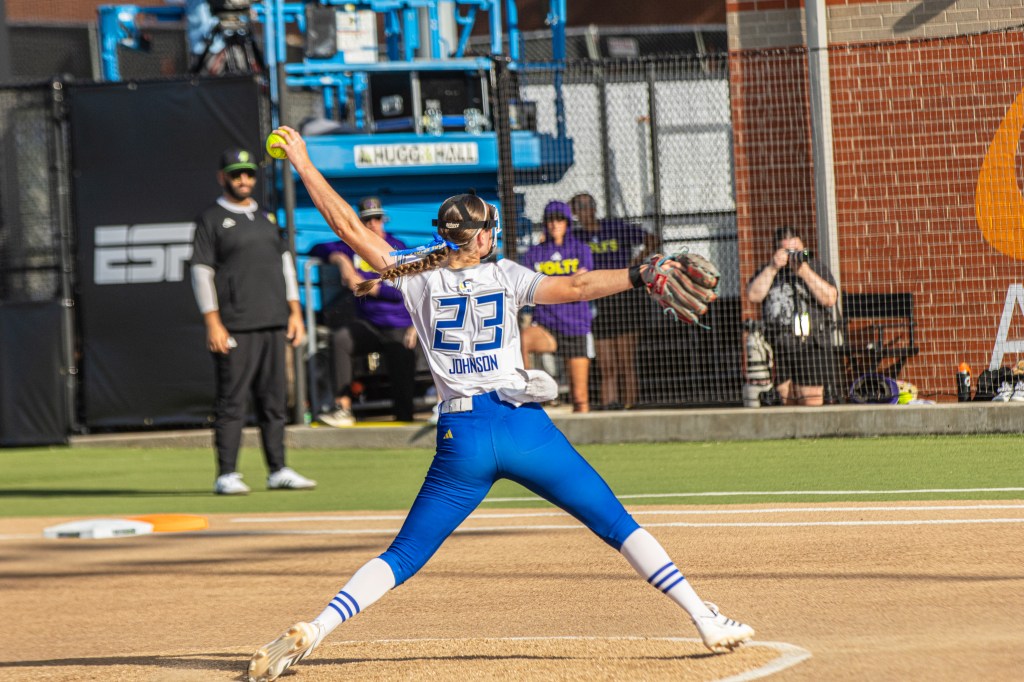
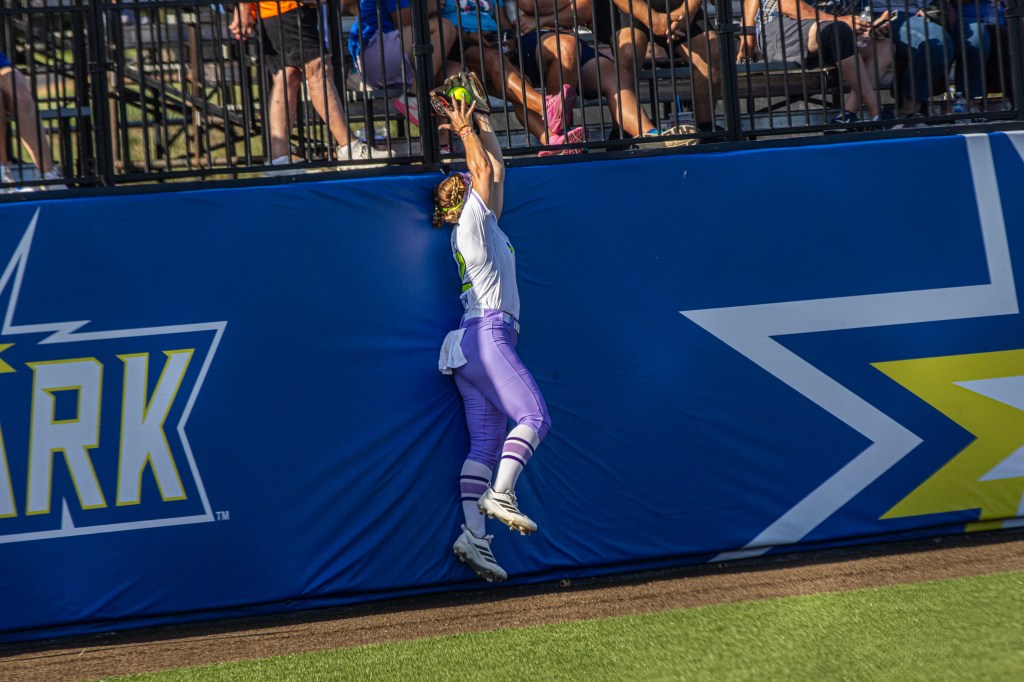
Game two brought a different kind of story. The Volts answered back, the series tightened up, and there were moments that stood out immediately — especially Jaydyn Goodwin robbing a home run. That kind of play is exactly why I love shooting softball. You can feel when a moment matters even before the edit is finished.
That opening series also reminded me how much I have enjoyed photographing the OKC Spark this year.
There are new faces on this team I have not officially met yet, and I know that kind of thing takes time. But even without those introductions, I have really enjoyed getting to photograph this version of the Spark and watching how the roster starts to take shape.
That has been one of the cool parts of covering them this season. It is not only about the players I already knew from past coverage. It is also about learning the new personalities, seeing who brings what kind of energy, and building a visual story around a team that is still coming together.
I feel like those connections will happen in due time. For now, the work is the introduction. I keep showing up, keep making images, keep covering the moments, and let those relationships grow naturally from there.
That has been one of the larger lessons of this trip too.
There are still players across the league I have wanted to meet, talk with, or photograph more closely, but I know that does not happen all at once. Sometimes it starts with a gallery. Sometimes it starts with a quick hello after a game. Sometimes it starts with simply showing up enough that people begin to recognize the work and understand why I am there.
I cannot force every introduction, every conversation, or every moment. All I can do is keep showing up, keep doing the work, keep treating the players and the game with respect, and trust that the right connections will happen when the timing lines up.
From there, the trip became bigger than one series.
Chicago was the next step. It was loud, chaotic, and at times overwhelming, but it was also part of the journey. Covering AUSL away from home meant stepping into unfamiliar places, figuring things out on the fly, and continuing to move forward even when the logistics were not perfect.
That has been one of the biggest lessons of the trip so far: every stop does not have to be smooth to still be valuable.
The Chicago stretch showed that in a very real way. The city itself felt heavy after the first leg of travel. There were long rides, loud streets, constant noise, and the kind of sensory overload that can make everything feel harder than it looks from the outside.
But even with that, the work still mattered.
The Bandits series gave me another look at the league from a different environment. Game two between the OKC Spark and Chicago Bandits turned into one of those games where the story shifted quickly. Oklahoma City got on the board early, but Chicago answered with a much bigger offensive night and eventually pulled away in an 11–3 Bandits win.
That game was a reminder that this trip was not only about following one team or photographing clean storylines. Sometimes the story is the response from the other side. Sometimes it is a team taking control of the moment, a lineup finding rhythm, and a game changing faster than the camera can settle.
Chicago was not the easiest stop, but it was still an important one.
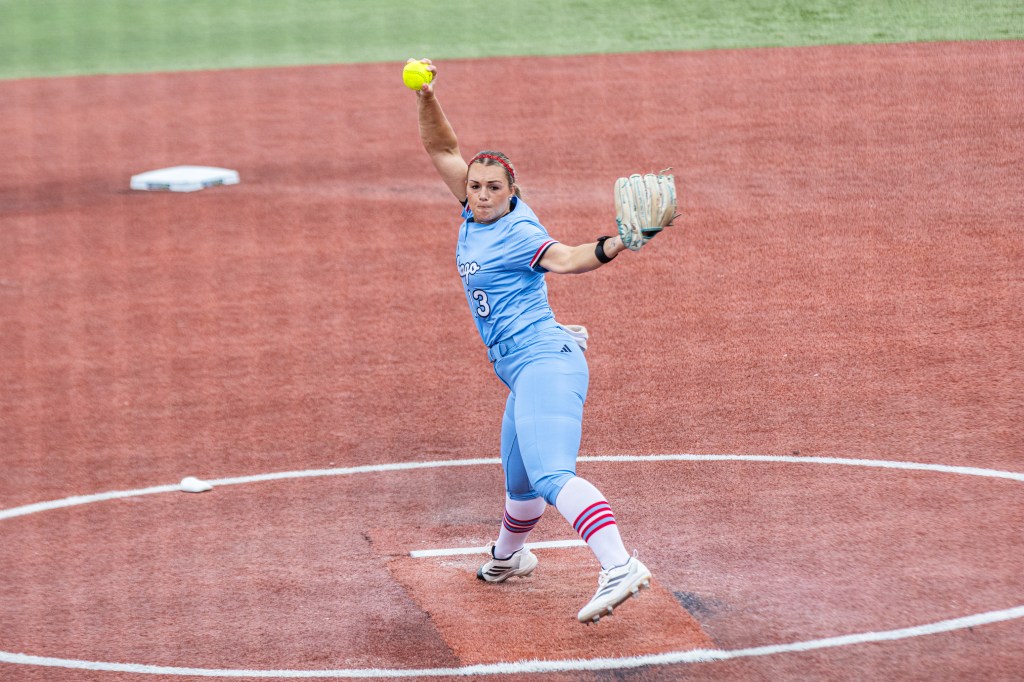
It proved that this project was going to require more than just showing up when conditions were perfect. It was going to require adjusting, staying patient, and finding the value in every part of the route.
Chicago also gave me one of the more personal moments of the trip.
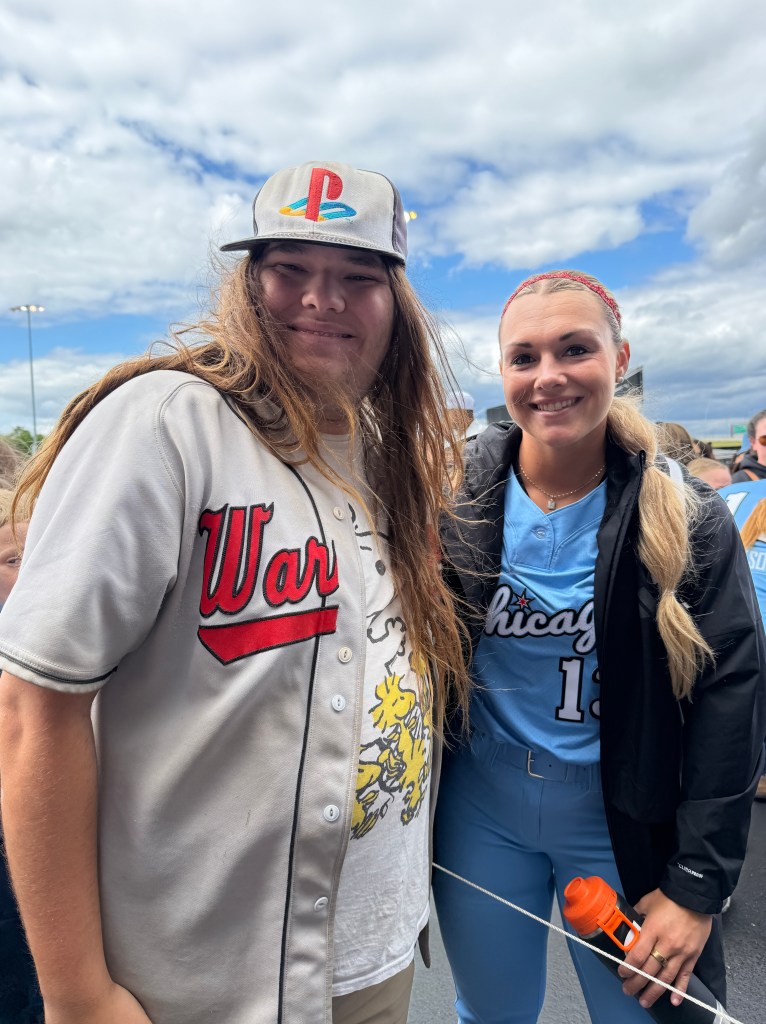
After the game in Rosemont, I got to see Amber Fiser again. That mattered to me because Amber was one of the first people I really connected with when I started getting opportunities around this level of softball.
Those kinds of moments are hard to explain from the outside. They are not just about getting a photo or saying hello after a game. They are reminders of where this work started, how much has changed, and how many people have helped make this level feel a little more familiar along the way.
Seeing her again during this trip made Chicago feel less like just another stop on the schedule. Even in the middle of the noise, travel, and chaos, it was a reminder that this journey has been built through real moments and real connections, not just games and galleries.
The travel itself has also become part of the story.
Saint Paul Union Depot was one of those places that made the trip feel real in a different way. After a full day of travel from Chicago, walking into that station felt like a reset point. It was not just a place to wait for a train. It was the beginning of the long western leg — the Empire Builder toward Portland.
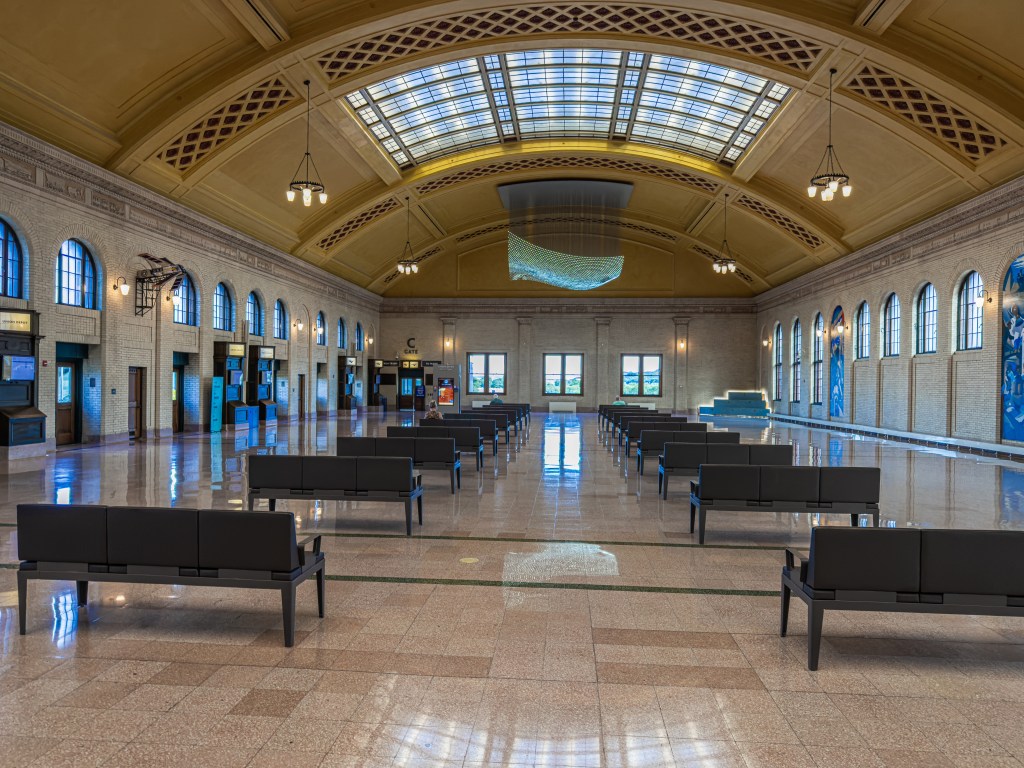
Boarding that train felt like crossing into the next chapter.
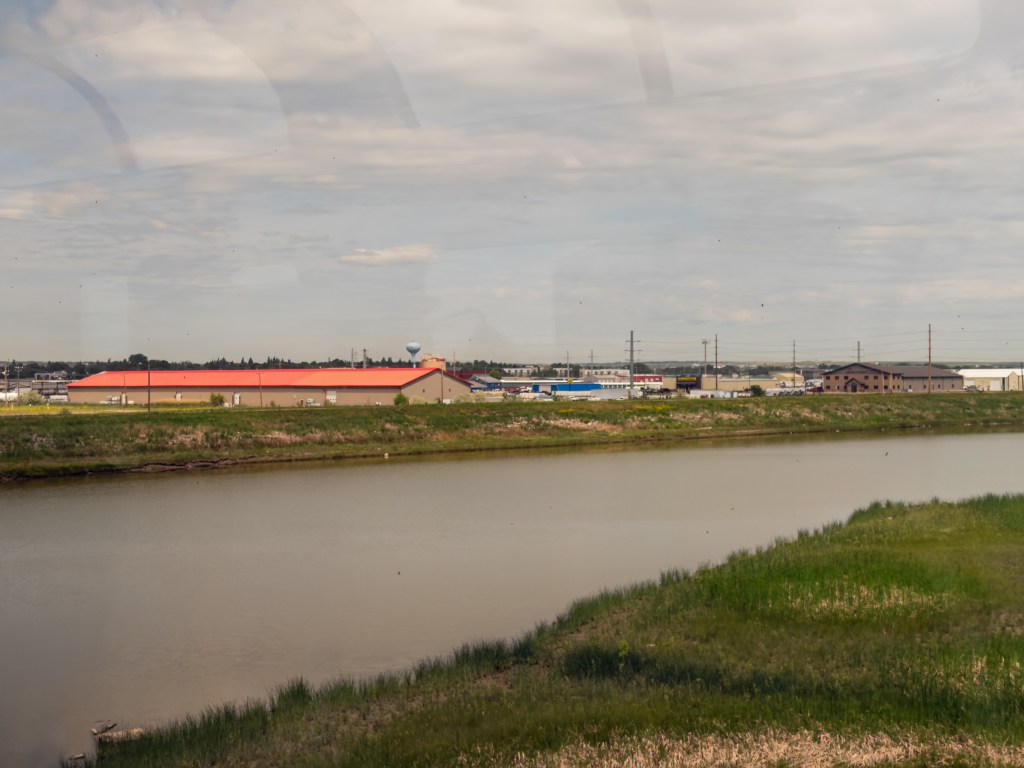
The Empire Builder became one of the biggest highlights of the trip so far. Coach travel is not glamorous, especially with camera gear, bags, snacks, batteries, chargers, hard drives, and everything else needed to keep a project like this alive. But there was something special about it.
The quiet stretches, the observation car, the long ride through the northern United States, and the feeling of physically moving toward the next series all made the trip feel larger than just another assignment.
There is something powerful about watching the country pass by while knowing the destination is another softball field, another team, another chance to keep building this coverage.
The support has also been one of the biggest parts of this trip.
At one point, the fundraising was still trying to find momentum. Then the donations started coming in stronger. That support mattered because it represented more than money.
It meant people believed enough in the project to help keep it moving. It meant people saw the work, saw the travel, saw the effort, and decided it was worth supporting. For a freelance photographer trying to cover professional softball across multiple cities without flying, that kind of support makes a real difference.
It helped with the parts of the work people do not always see: the rideshares, the lodging, the food, the gear, the train travel, the backup plans, and the unexpected adjustments that come with trying to cover games across multiple states.
Then Portland became real.
After two nights on the Empire Builder, the western leg finally ended at Portland Union Station. By that point, I was tired, carrying too much, running on strange train sleep, and trying to figure out the next step with camera gear, bags, food, lodging, and everything else that comes with doing this kind of trip without flying.
But even with the exhaustion, getting to Oregon mattered.
It meant the Portland part of the trip was no longer just a plan on paper or a route I had mapped out. I had actually made it.
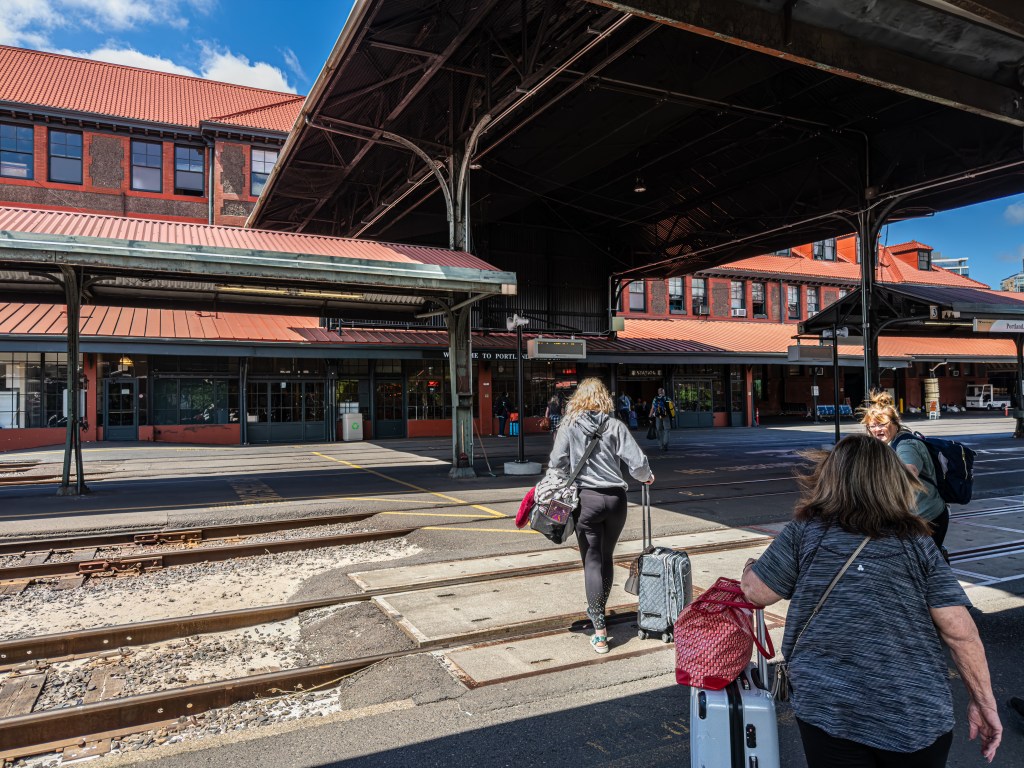
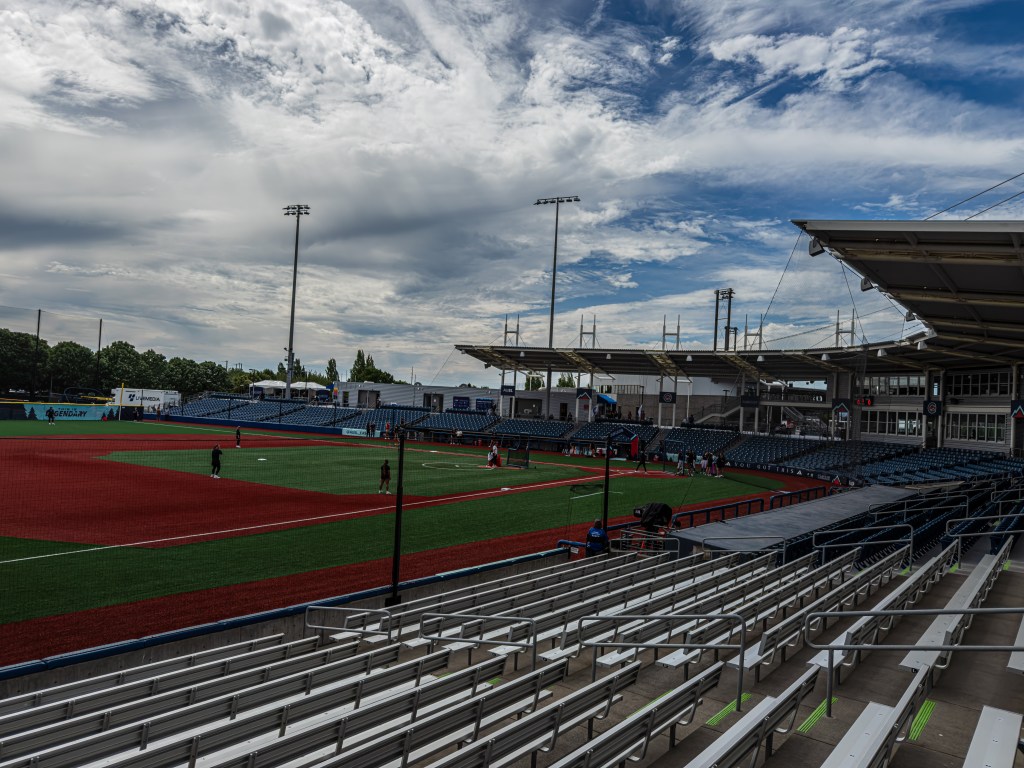
I was in the market I had been trying to reach, one step closer to covering the OKC Spark vs. Portland Cascade series at Hillsboro Ballpark.
That first day in Portland was not glamorous. It was luggage, rideshares, food, check-in timing, and trying to reset after days of travel. But getting settled into the Airbnb felt like the first real pause of the trip. It gave me a chance to recharge, organize gear, fix the little comfort things that had made the train harder, and finally breathe before the next series started.
Those are the parts of the work people do not always see.
They see the galleries, the game photos, the interviews, and the finished posts. They do not always see the train rides, the late arrivals, the bags, the batteries, the meals grabbed wherever I can find them, or the small decisions that make the next day possible.
But all of that is part of this project too.
Making it to Portland was not just another stop. It was proof that this trip was still moving forward.
Then Hillsboro became more than a destination.
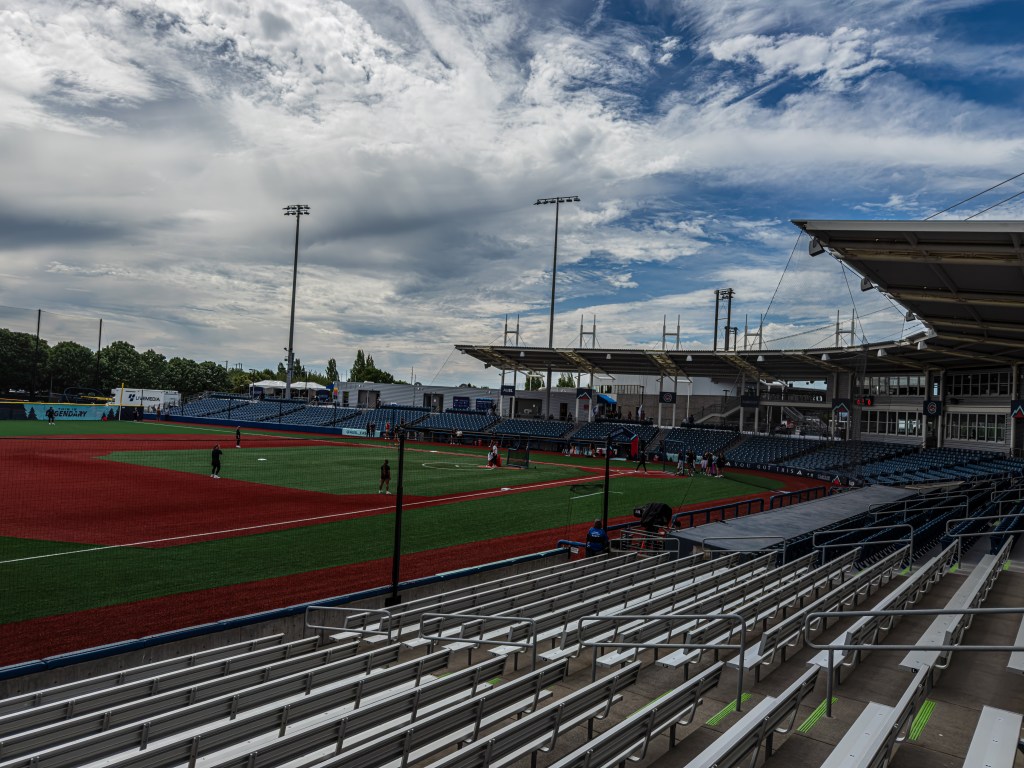
Game one between the Portland Cascade and OKC Spark turned into one of the biggest moments of the trip so far. Hillsboro Ballpark was packed, the concourses were crowded, and the atmosphere made it clear that professional softball in Portland had real momentum behind it.
On the field, the Cascade backed that energy up.
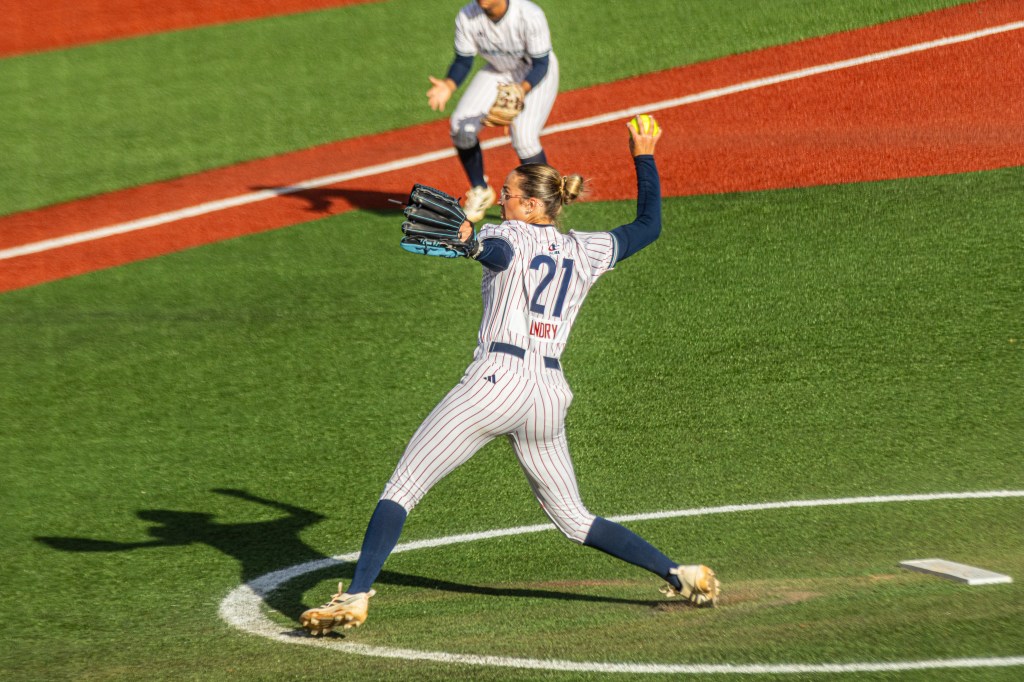
Sam Landry delivered one of the strongest pitching performances I had seen on the trip, throwing a complete-game shutout in a 3–0 Portland win. Tori Vidales provided the power swing with a home run, while Sis Bates and Korbe Otis added extra-base hits. The Spark were held to four hits, and Portland gave its home crowd the kind of debut performance that matched the setting around it.
For me, that game also meant something on a personal level because it was the first time I had ever watched Sam Landry pitch in person.
I had followed her career from college and always enjoyed watching the way she competed in the circle. Even during her rookie year in AUSL, she was one of those pitchers I kept wanting to see in person, but the timing never lined up before this series.
So watching her throw the way she did at Hillsboro Ballpark made that night stand out even more.
What made it stand out was not just the result in the circle, but the way the entire moment came together. A packed Hillsboro Ballpark, a new market fully showing up for professional softball, a Cascade team feeding off that energy, and a pitcher I had wanted to photograph for years delivering one of the strongest outings I had seen on the trip.
That made game one feel personal in a different way. It was another reminder that some of the best parts of this project are not only the places I get to go, but the players I finally get to see through my own lens.
From behind the camera, game one was not an easy night.
The crowd made moving around difficult. The shooting angles were not always clean. The concourses were packed. There were moments where I had to adjust quickly, work around people, and figure out how to make the best images possible from wherever I could get space.
But that is also what made the night feel important.
It was not a quiet, ordinary game. It was loud, crowded, imperfect, and alive. That is what I wanted the gallery to show. Not just the final score, but the scale of the moment. The first real Portland home atmosphere. The players feeding off it. The new market showing up. The kind of night where the photos had to carry both the game and the setting around it.
After everything it took to get there — Oklahoma, Chicago, Saint Paul, the Empire Builder, Portland Union Station, the Airbnb reset, and all the logistics in between — game one in Hillsboro felt like the trip reaching one of its biggest points.
The game one gallery became proof of why this trip was worth attempting.
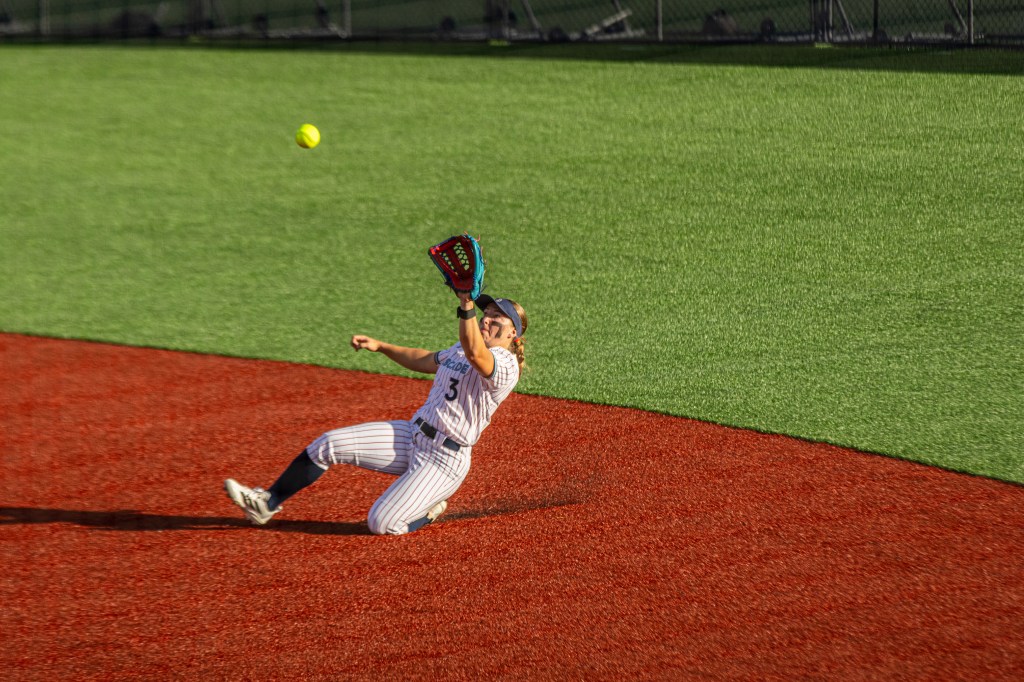
It showed the atmosphere, the players, the emotion, the details, and the scale of what this series meant. After all the planning, the late-night travel, the long rides, the gear decisions, the financial stress, and the support that helped make the trip possible, seeing those images finished made the whole project feel real in a different way.
This is the part of the journey where the work and the travel fully meet.
Game two gave the Portland stop another layer.
After the energy of game one, Hillsboro Ballpark was packed again. The crowd was still loud, the autograph lines were still long, and the atmosphere made it clear that the first night had not been a one-off. Portland was showing up for professional softball.
But on the field, the story shifted.
After being shut out in game one, the OKC Spark responded with one of their strongest offensive performances of the trip. Maya Brady and Sydney Romero both delivered home runs, Amari Harper added another extra-base hit, and the Spark built early momentum that carried them to a 6–1 win over the Cascade.
That mattered because it showed how quickly a series can change.
One night earlier, Portland had controlled the game behind Sam Landry and the energy of a sold-out home debut. The next night, Oklahoma City answered back with power, pressure, and a lineup that looked much more like the dangerous version of the Spark this trip had been built around covering.
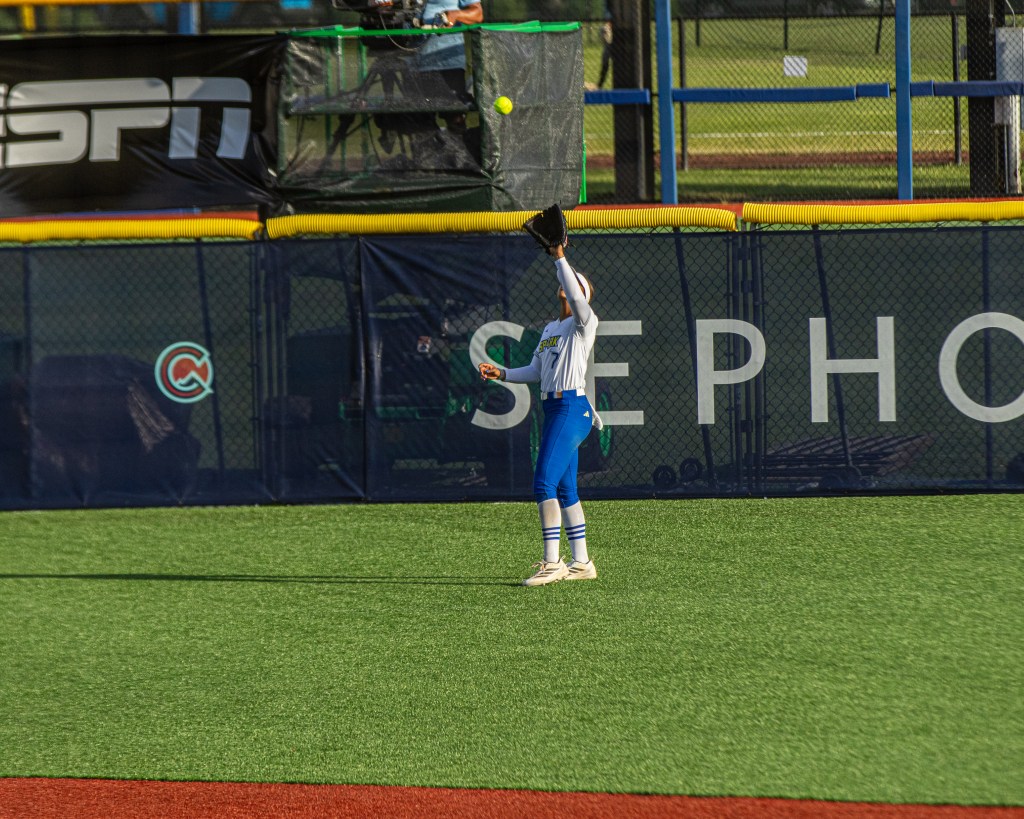
From behind the camera, game two felt different too.
The crowd was still heavy, but I had a better understanding of the ballpark. I knew where the movement issues were. I knew which angles were harder. I knew where the light was uneven, especially around parts of the third-base side, and I had to keep adjusting my autofocus, ISO, and extender decisions throughout the night.
There were moments where the extender felt necessary just to make outfield action work from the concourse. There were also moments where I wished I could take it off and shoot cleaner. That became part of the night: constantly balancing reach, light, autofocus, and the reality of covering a sold-out game from wherever I could realistically work.
One of the biggest moments I captured was a home run robbery near the wall. It was the kind of play that immediately reminds me why I love shooting softball. Even when the setup is not perfect, even when the access is not ideal, the moment still happens. You either catch it or you do not.
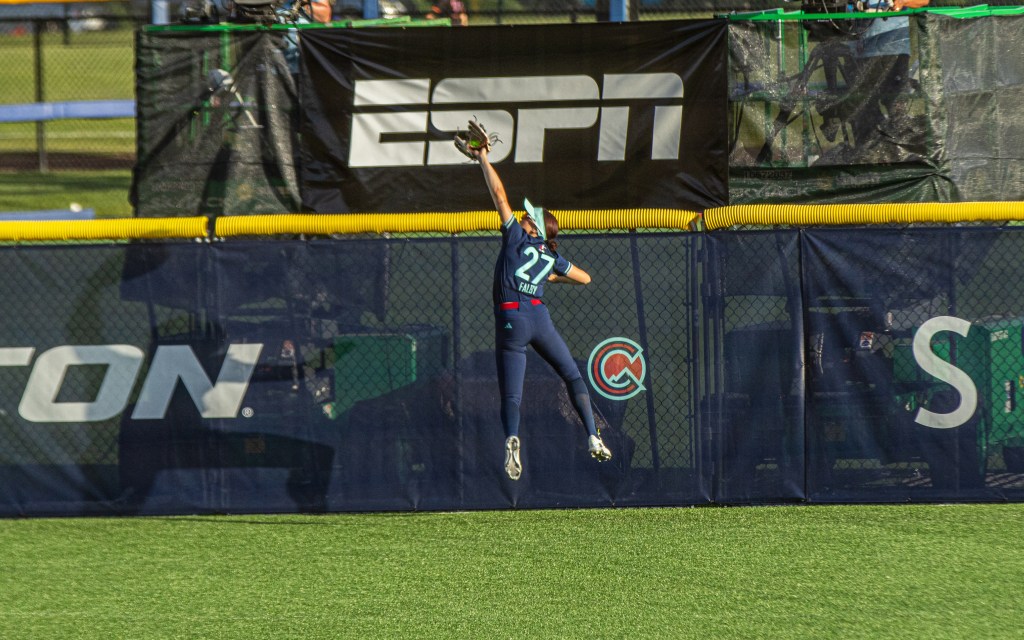
That is what game two became for me.
It was not just the Spark getting back into the series. It was another reminder that this trip is forcing me to adapt in real time. Different venue. Different light. Different crowd flow. Different shooting problems. Same goal: find the moment and make the image.
By the end of the night, the Portland series had already given me two completely different stories. Game one was the Cascade home debut, the shutout, the crowd, and the feeling of a new market arriving. Game two was the Spark response, the adjustment, and the reminder that this league can flip quickly from one night to the next.
That made the Portland stop feel even more important.
It was no longer just about making it to Oregon. It was about documenting a series that already had contrast, atmosphere, pressure, and personality.
As of the end of game two, the trip is still very much in motion.
Game three comes early Sunday morning with a 9:30 AM first pitch. Because of that, I had to make another logistical adjustment and book an additional Airbnb for Saturday night through Monday. My main checkout would have been Sunday morning, and carrying all of my camera gear and travel bags to the ballpark before a morning game was not realistic.
That is the side of this project people do not always see.
Sometimes covering a game means finding a better lens angle. Sometimes it means figuring out transportation. Sometimes it means doing laundry while there is still time. Sometimes it means booking another night somewhere just so the next game can happen without turning into a luggage disaster.
After Portland, the trip is still not finished.
Monday afternoon, I leave Oregon and begin the return route back across the country. The next leg takes me through Illinois, then toward Kansas for the I-35 Showcase in the Wichita/Andover area. From there, the plan is to return to Oklahoma and continue into Spark/Blaze coverage in Edmond.
That means this project is now entering one of its most important stretches.
The Portland stop proved how big this trip could feel. The next leg is about finishing it.
There are still more games ahead, more travel ahead, more costs ahead, and more work to do. Monthly payments are also getting closer as the first of the month approaches, which makes the timing even tighter. But looking at where this started and where it is now, the progress is already clear.
This trip has included Spark coverage, Volts coverage, Chicago, Saint Paul, the Empire Builder, Portland, and two sold-out Portland Cascade home games in Hillsboro.
It has been tiring, unpredictable, expensive, and at times overwhelming.
But it has also been worth it.
The galleries, the interviews, the travel posts, the people following along, the support coming in, and the moments captured along the way all point toward the same thing:
This is becoming more than a one-time trip.
It is becoming a larger body of work.
I set out to take on one of the biggest photography projects I have ever attempted.
As of June 19, I am still doing it.


Leave a Reply